
Tuesday, September 15 & October 6
❥
Tuesday, September 15 & October 6 ❥
Kundalini Dance
Move, chant, breathe, and awaken the sacred energy within.
A joyful movement practice inspired by Kundalini yoga that weaves together mantra, music, movement, breath, meditation, and rest.
No dance experience needed. Movements can be done seated or standing.
Tuesday, September 15 & October 6
7-8:15pm ET • Online
Members attend free. Need financial support? Use code SISTER50, or apply for a fully gifted membership.
What Is Kundalini Dance?
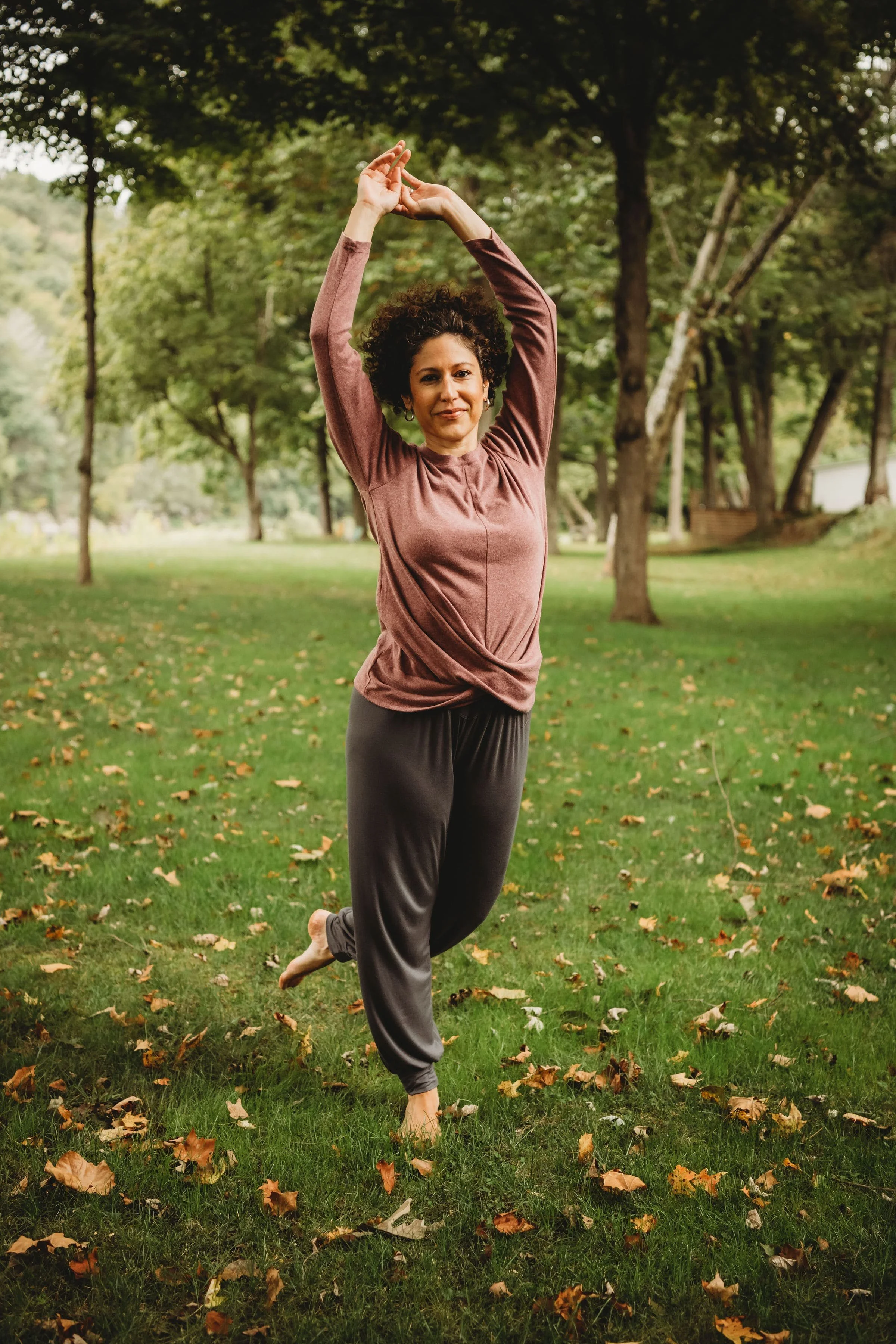
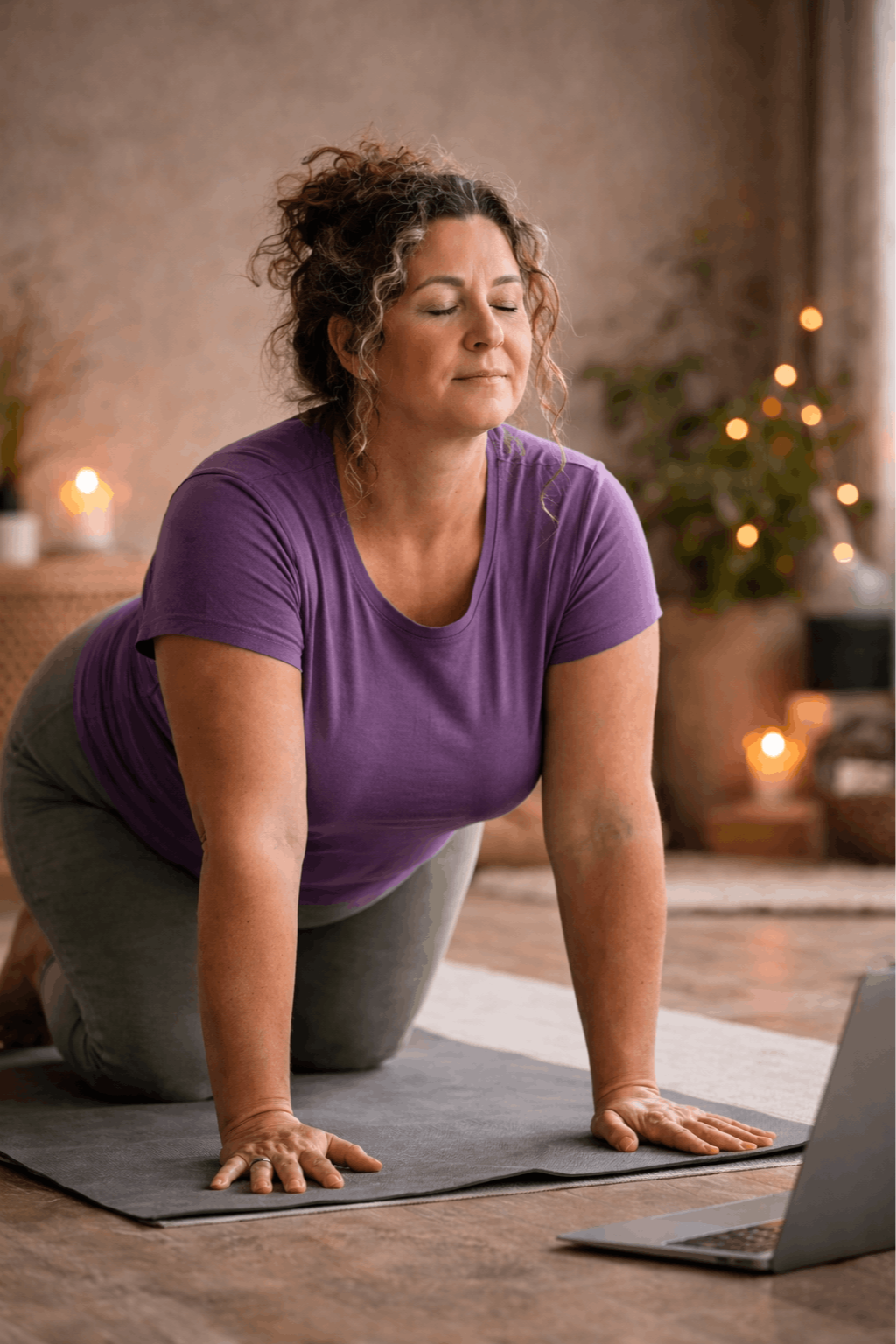
Kundalini Dance is a joyful, guided movement practice that blends music, breath, Sanskrit mantra, meditation, and free expression.
Rooted in the traditions of Kundalini yoga, the practice works with the body’s natural life-force energy — often called kundalini — inviting it to awaken and circulate through movement, breath, and sound.
Each session may include elements such as:
rhythmic movement and free dance
breath and energy awareness
mantra and sound
meditation and rest
themes inspired by yogic philosophy and sacred stories from Hindu traditions
You don’t need to be a dancer, and there is no right or wrong way to move.
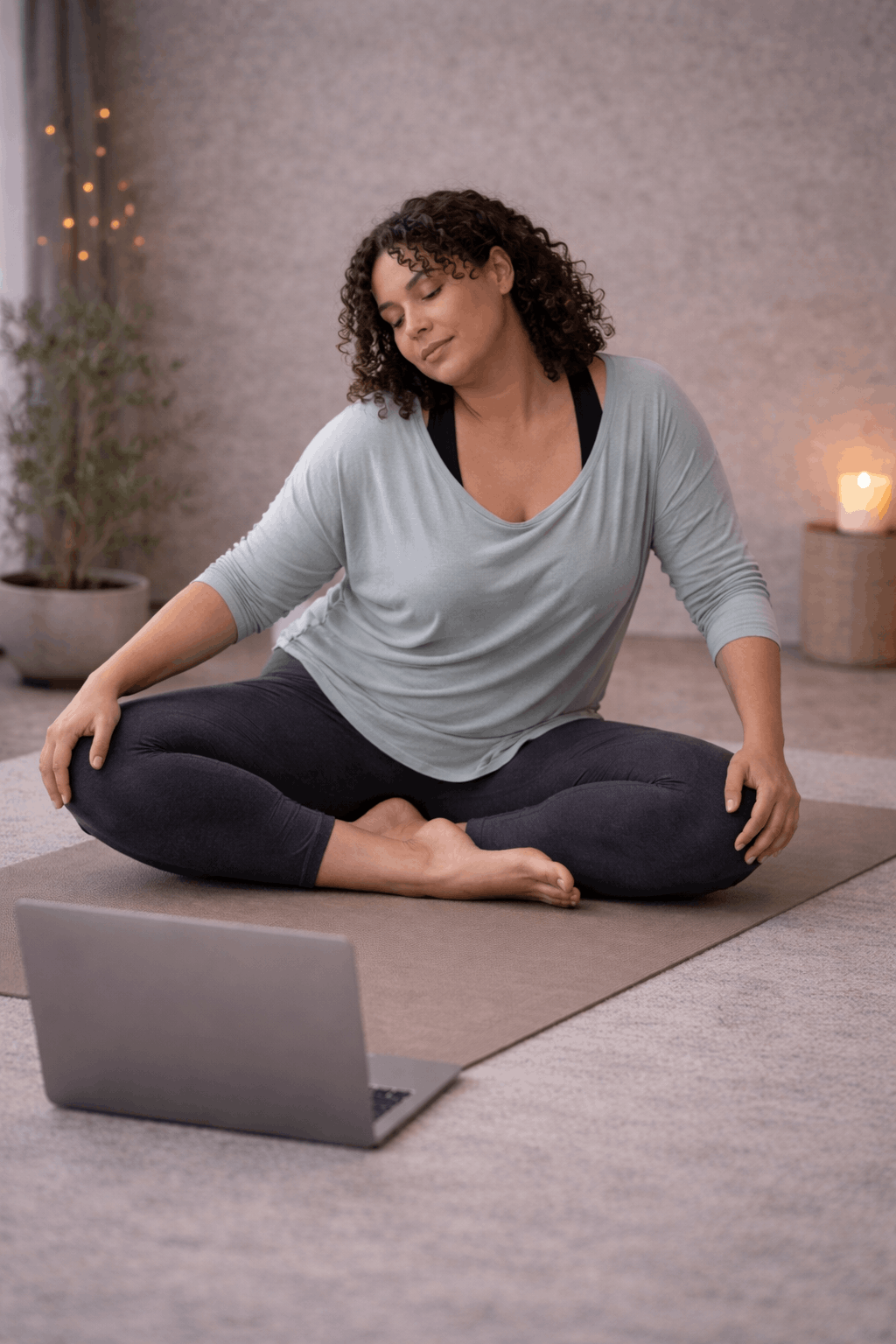
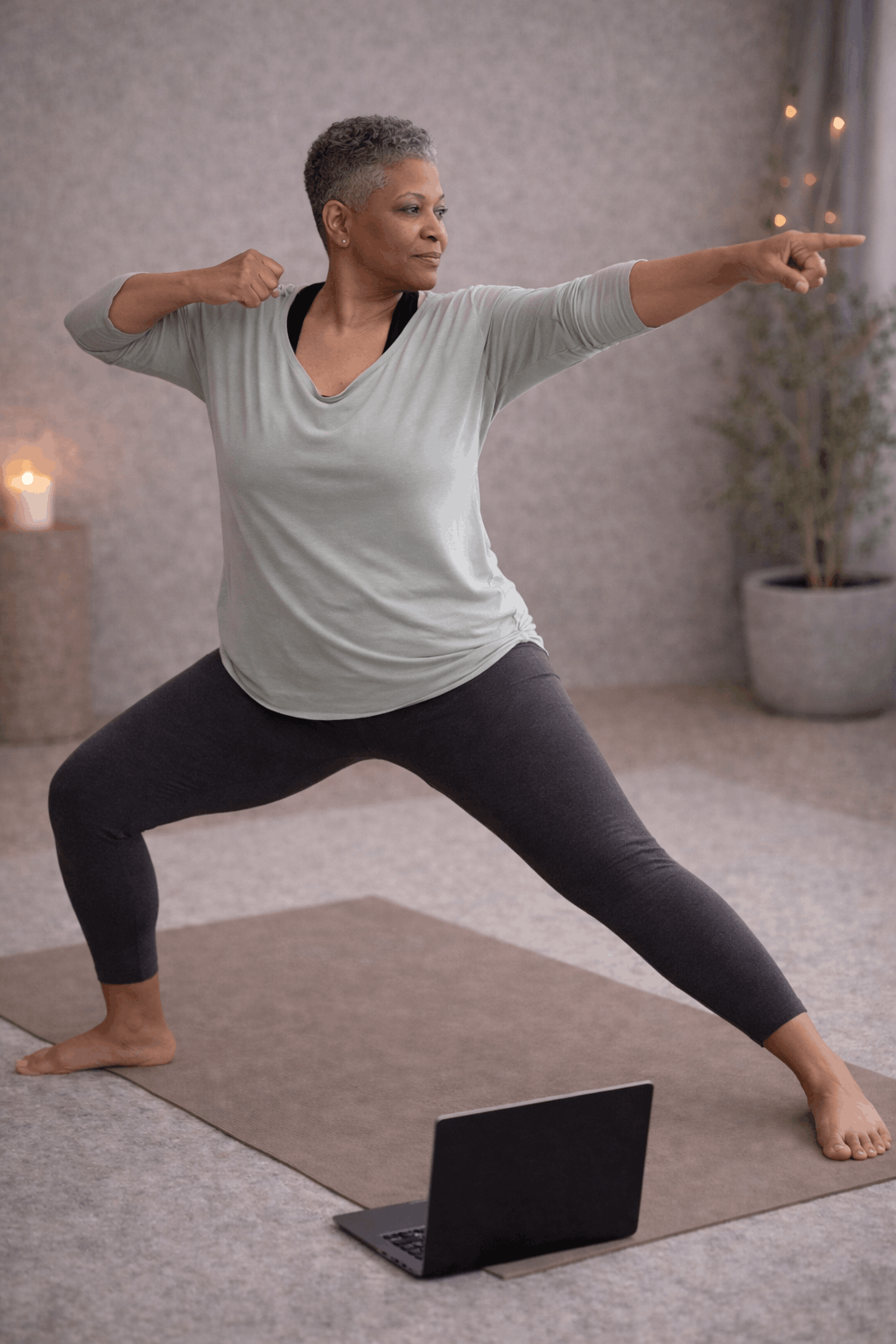
Movements can be done standing, seated, or adapted to meet your body where it is that day.
This practice invites you to listen to your body, reconnect with your vitality, and explore movement, breath, and sound as pathways to deeper awareness and presence.
Members attend free. Need financial support? Use code SISTER50, or apply for a fully gifted membership.
What Kundalini Dance Feels Like
Each class is a guided journey through mantra, music, movement, breath, meditation, and rest.
After a brief introduction to the theme and flow of the class, we begin by gently arriving in the body through chanting Sanskrit mantras — sacred sounds used in yogic traditions to focus the mind and direct energy.
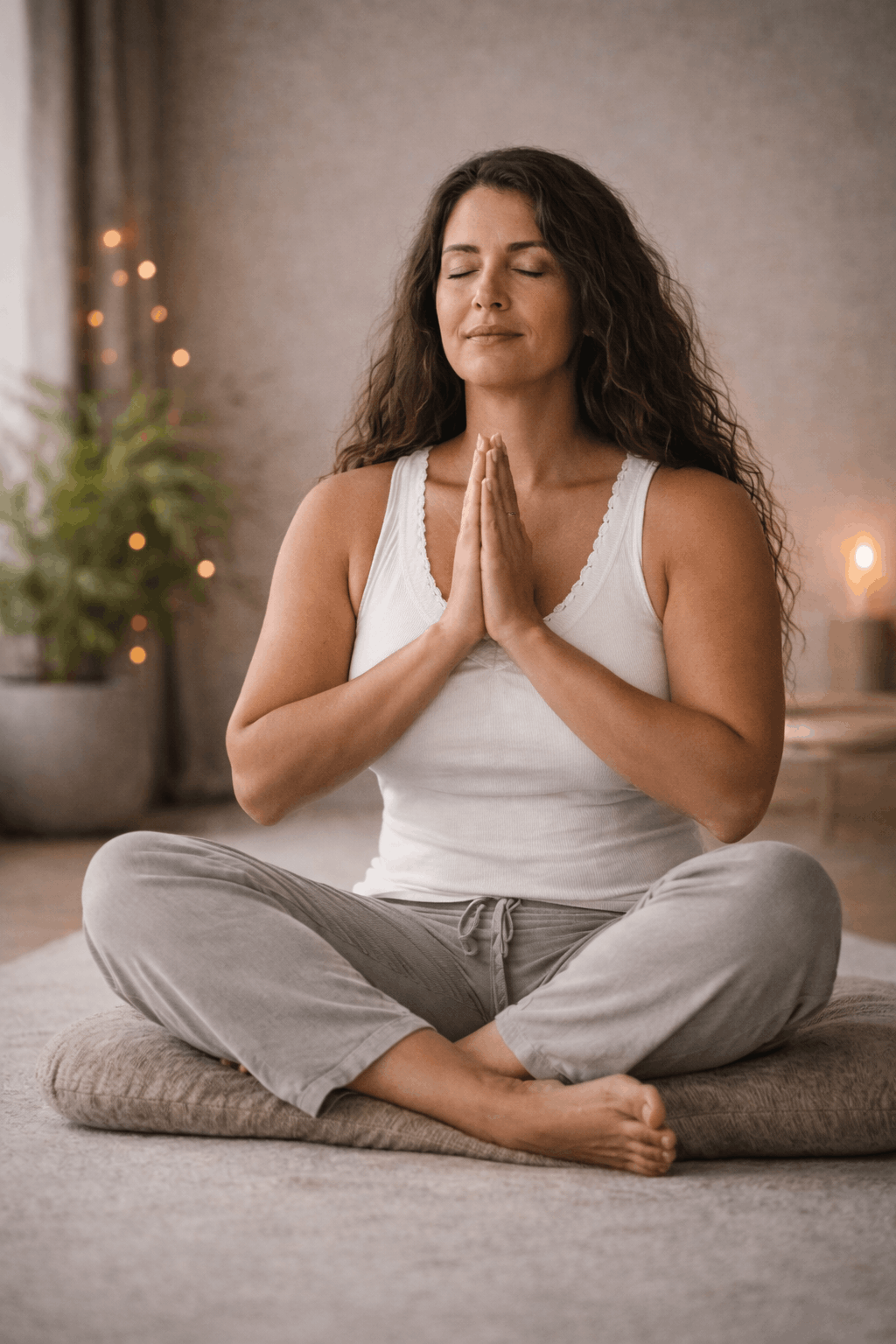
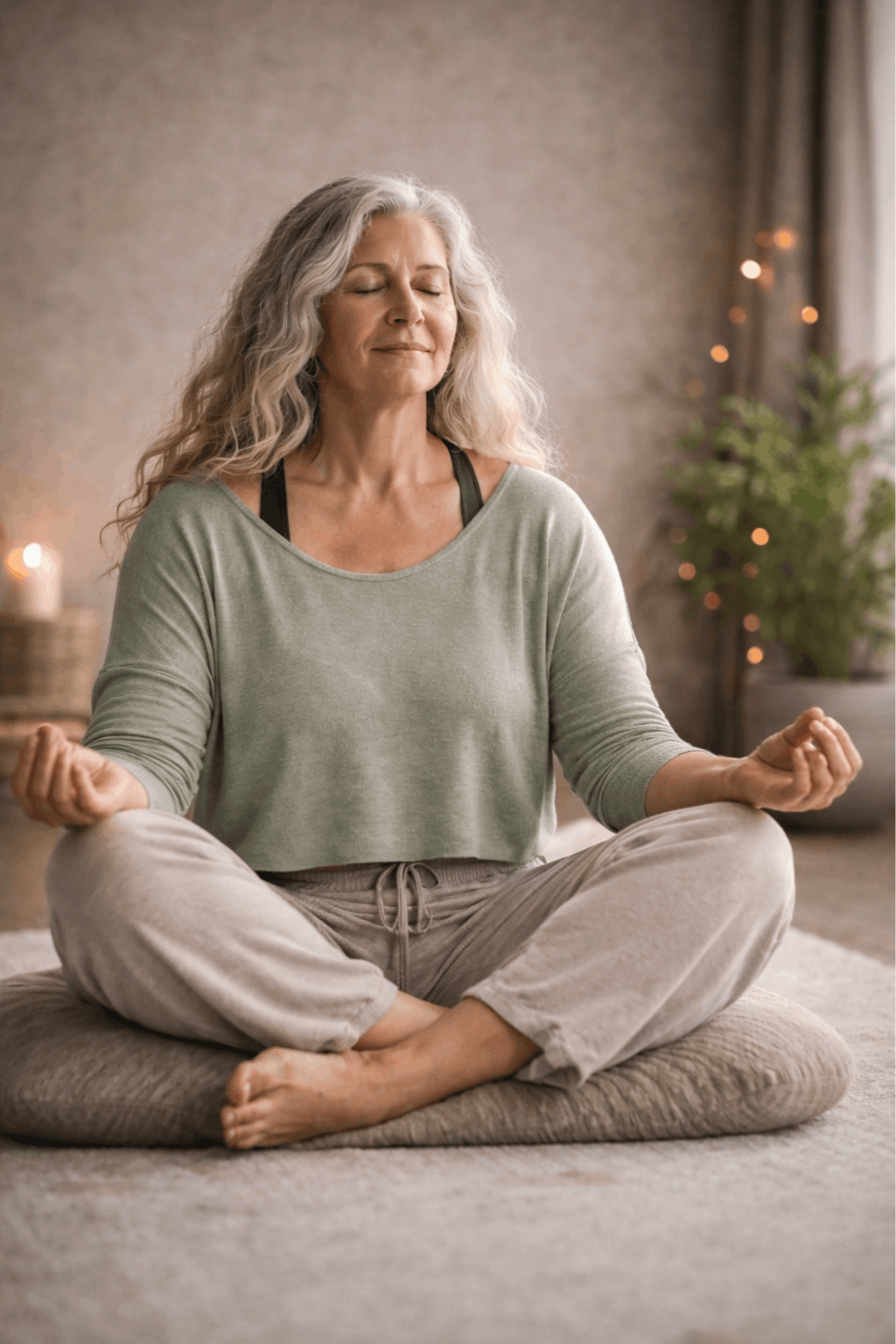
Chanting is a central part of the practice. You’re always welcome to chant aloud, chant internally in your mind’s eye, or simply listen and receive the vibration of the sound.
From there, the energy gradually builds through rhythmic movement, guided sequences, mantra, and music. Some parts of the practice invite strong, expressive movement, while others may be softer and more inward.
At different moments, you may be invited to chant, move with intention, explore a theme, or simply notice what is happening within your body and breath.
The practice often closes with meditation or rest, allowing the body and nervous system to settle and integrate the experience.
Every class is a little different, but the intention is the same: to create a supportive space where mantra, movement, breath, and awareness come together to energize the body and nourish the spirit.
You are always invited to move in a way that feels supportive and authentic for your body.
The Spiritual Roots of this Practice
These practices draw inspiration from the yogic traditions of India, where mantra, meditation, and devotional practices have been cultivated and passed down for generations.
Within these traditions, movement, breath, mantra, and meditation are understood as ways of working with the body’s life-force energy — often called kundalini — and deepening connection with the sacred.
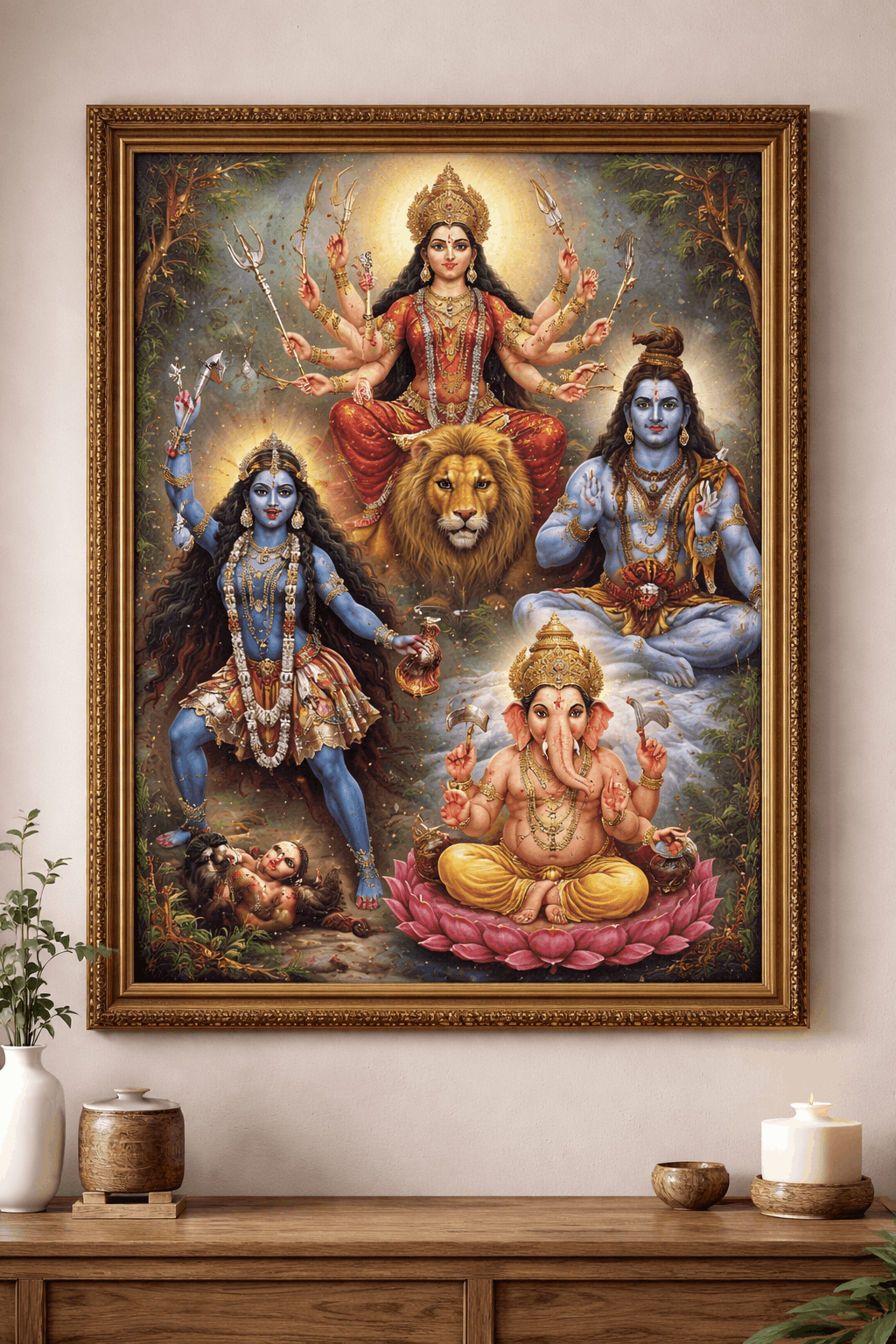
In our classes, we sometimes explore themes inspired by Hindu deities such as Durga, Kali, Shiva, or Ganesha.
In the traditions where these practices originate, these are not simply symbolic figures but sacred deities whose stories represent qualities such as courage, transformation, wisdom, and protection.
These themes may be explored through mantra, movement, and reflection. You are always invited to engage with them in whatever way feels meaningful, respectful, or supportive for you.
You are invited to engage with these themes in whatever way feels meaningful or supportive for you.
-
Why We Chant
Chanting, or repeating mantra, is an ancient practice found in many yogic traditions.
Sanskrit mantras are sounds and phrases that have been used for centuries to help focus the mind, regulate breath, and direct energy through the body.
In Kundalini Dance, chanting helps create a bridge between the thinking mind and the feeling body.
The vibration of sound can support concentration, deepen presence, and help shift the nervous system into a more relaxed and receptive state.
If chanting is new to you, there is no pressure to “do it right.”
You are always welcome to chant aloud, repeat the mantra silently in your mind, or simply listen and receive the vibration of the sound.
Over time, many people find that the rhythm of mantra becomes a powerful way to settle the mind, connect with breath, and enter more deeply into the movement practice.
-
Why We Work with Archetypal Energies
In our classes, we explore themes inspired by Hindu deities from yogic traditions, such as Durga, Kali, Shiva, Ganesha, etc.
In the traditions where these practices originate, these are not simply symbolic figures but sacred deities who represent powerful forces of creation, transformation, protection, wisdom, and the removal of obstacles.
Their stories and symbolism have been shared for generations as ways of understanding the cycles of life, challenge, and transformation.
Some participants experience this as a spiritual connection with these divine energies, while others relate to them as archetypal qualities that exist within the human experience.
You do not need to follow any particular spiritual tradition to participate.
You are invited to engage with these practices in whatever way feels meaningful, respectful, and supportive for you.
-
Why We Work with Kundalini Energy
In yogic traditions, kundalini refers to the body’s natural life-force energy — the subtle vitality that flows through breath, movement, and awareness.
Practices such as movement, mantra, and meditation are traditionally used to help this energy circulate more freely through the body.
In Kundalini Dance, we explore these ideas in a simple and embodied way through rhythm, breath, sound, and intentional movement.
As the body moves and the breath deepens, many people begin to notice subtle shifts in sensation, awareness, and vitality.
You don’t need to understand or believe anything specific about energy for the practice to be meaningful.
Many people simply notice changes in how their body feels — such as a sense of increased vitality, emotional expression, grounding, or presence.
Who Kundalini Dance Is For
Kundalini Dance is for anyone curious about exploring mantra, movement, sound, breath, and energy in a supportive, welcoming space.
You might feel drawn to this practice if you:
enjoy music and movement as ways to shift your energy
are curious about mantra, meditation, or yogic traditions
want to reconnect with your body in a guided, expressive way
appreciate spiritual themes explored through movement and symbolism
are looking for practices that energize the body while calming the mind
You do not need any experience with dance, yoga, or chanting to participate.
The practice is designed to be accessible and adaptable.
Movements can be done standing or seated, and you are always invited to participate at your own pace and in ways that feel supportive for your body.
Whether you are brand new to these practices or have been exploring them for years, you are welcome here.
Members attend free. Need financial support? Use code SISTER50, or apply for a fully gifted membership.
What You May Notice After a Class
Because Kundalini Dance combines mantra, movement, breath, and meditation, the experience can affect people in different ways.
Some notice increased energy after moving and chanting together. Others feel a deeper sense of calm or clarity as the mind settles and the body relaxes.
You might experience:
a shift in mood or energy
a greater sense of connection with your body
a quieter mind or deeper breath
a feeling of emotional expression or release through movement
a sense of grounding, presence, or inner spaciousness
Every experience is different, and there is no specific outcome you need to achieve.
The practice is simply an invitation to move, breathe, chant, and explore what unfolds within your own body and awareness.
Members attend free.
Need financial support? Use code SISTER50, or apply for a fully gifted membership.
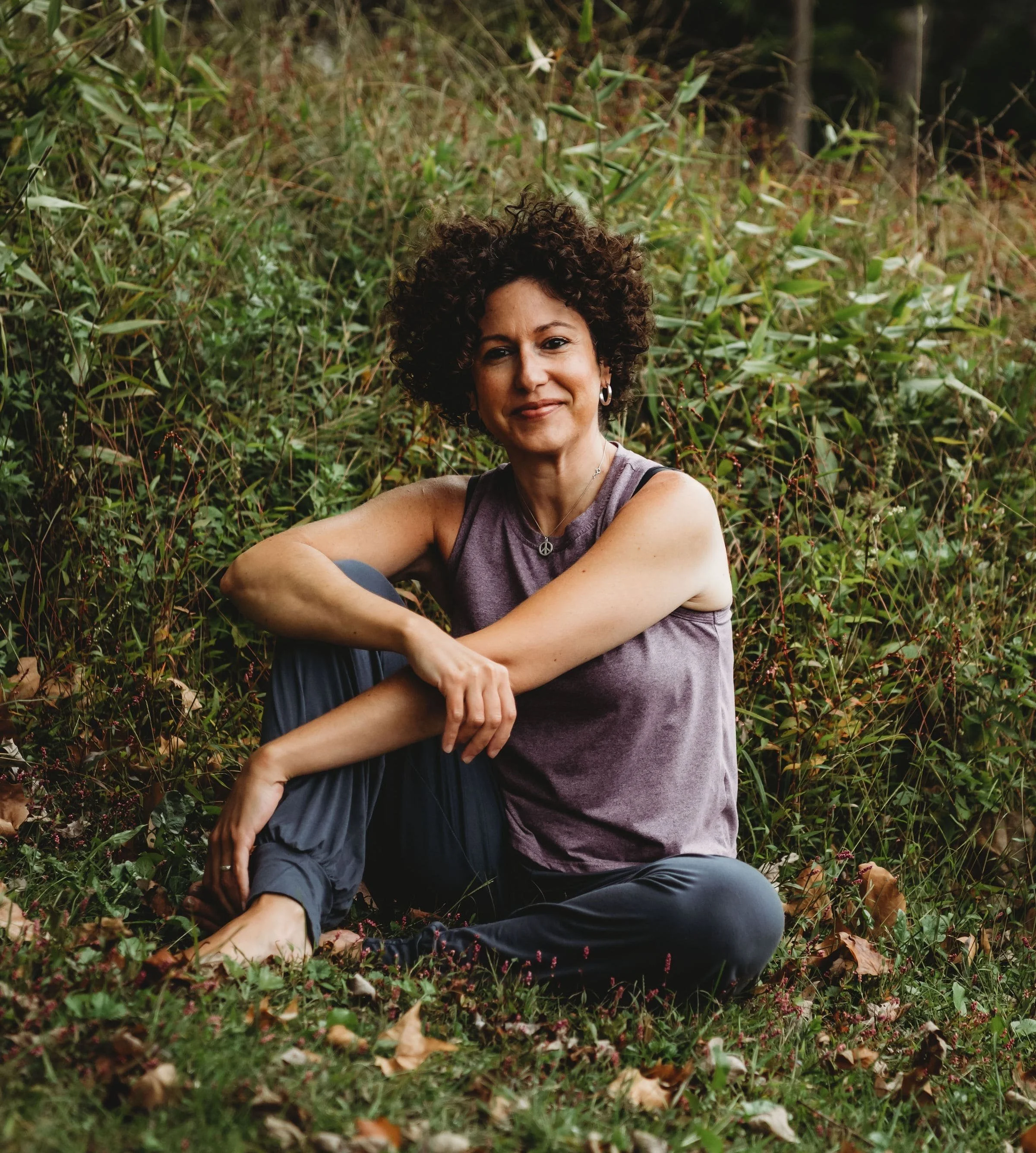
Meet Danielle — Your Host & Facilitator
Kundalini Dance is guided by Danielle, founder of Superfine Synergy, certified Kundalini Dance facilitator, JourneyDance® facilitator, trauma-informed Yoga Nidra guide, and somatic coach.
Chanting Sanskrit mantras has been a meaningful part of Danielle’s personal practice.
During some of the most difficult periods of her life, mantra became a steady companion — offering rhythm, grounding, and a sense of connection when words alone were not enough.
She is especially drawn to chanting to Ganesha, the Hindu deity known as the remover of obstacles. Danielle even maintains a daily abundance chant practice dedicated to this energy of clearing the path and inviting new possibilities.
In her classes, Danielle blends guided movement, mantra, breath, and meditation to create experiences that are structured but spacious, grounded yet deeply expressive.
Her facilitation style is choice-based, welcoming, and free from pressure to perform.
Whether you are new to these practices or have been exploring them for years, Danielle creates spaces where you can move, chant, breathe, and reconnect with the energy and wisdom already living within you.
Details to Note
-
An open mind.
A space where you can move and later lie down comfortably.
Internet access to join via Zoom.
Comfortable clothes (layers work best).
Water.
A yoga mat (if you have one) and 1-2 blankets.
Headphones or earbuds (for a more immersive sound experience).
-
We begin with a brief welcome and introduction to the theme.
From there, we move into chanting Sanskrit mantras together, helping the mind settle and inviting the body to arrive in the space.
We’ll then honor the four directions and gently warm up the body before moving into the heart of the practice — guided movement and dance inspired by Kundalini traditions.
Music, mantra, breath, and rhythm help build energy and expression, allowing you to explore movement in a way that feels natural and supportive for your body.
Toward the end of the practice, we settle for a short meditation or rest, giving the body and nervous system time to integrate the experience.
We close with optional community connection. You’re welcome to share, ask questions, reflect, or simply listen.
You are always invited to participate in whatever way feels supportive for you.
-
Good question! Here’s what you need to know…
You’ll receive reminder emails the day before and one hour before we begin.
This is a sacred, supportive, judgment-free space. Come as you are.
You’re welcome to keep your camera off. We simply ask that you say hello if we haven’t met yet.
All movement is suggestion-based. You are always free to move (or not move) in ways that feel aligned.
No experience necessary.
This offering is open to all women — cis, trans, and nonbinary people who feel spiritually, somatically, and socially aligned with women-centered healing.
Everything is choice-based. Move at your own pace.
-
Yes.
A replay will be available for two weeks after each class.
Members of the Superfine Synergy community receive ongoing access to the full Kundalini Dance archive inside the private portal.
-
Save the dates —
Tuesday, April 7, 12-1:15pm ET
Tuesday, April 21, 7-8:15pm ET
Additional dates TBA.
Members attend free.
Need financial support? Use code SISTER50, or apply for a fully gifted membership.